
The history of humanity is marked by events that have shaken the world and instilled terror in the hearts of men and women. From devastating pandemics to cataclysmic wars, through unpredictable natural disasters and acts of inhuman violence, these dark moments have often defined eras and shaped the course of history. Each era bears the scars of these tragedies, which continue to influence contemporary society and collective memory. The study of these frightening moments is essential to understanding the dynamics of the past and the challenges humanity may still face.
Historical Events and Legends: A Blurred Line
The intermingling of historical events and urban legends creates fertile ground for collective imagination. The paranormal, often dismissed by scientific rationality, finds its place in chilling tales. These stories, sometimes rooted in historical reality, are amplified by fear and fascination with the unexplained, transforming into modern myths with indistinct contours.
Urban legends, such as those that resurface with almost ritual regularity every Halloween, are powerful vectors of these horror stories. They feed on real facts distorted by rumor, word of mouth, and the media, until the distinction between reality and fiction becomes as elusive as the pale’s torment reflected in a mirror clouded by fear.
Take the example of the ‘Bloody Mary’ legend, shimmering in our minds like a specter that is both playful and terrifying. This myth, which has led many of us to whisper incantations in front of a mirror in hopes of invoking a supernatural apparition, is part of the long tradition of scary stories. These narratives, often tinged with a veneer of truth, seep into popular culture and continue to haunt our nights and imaginations.
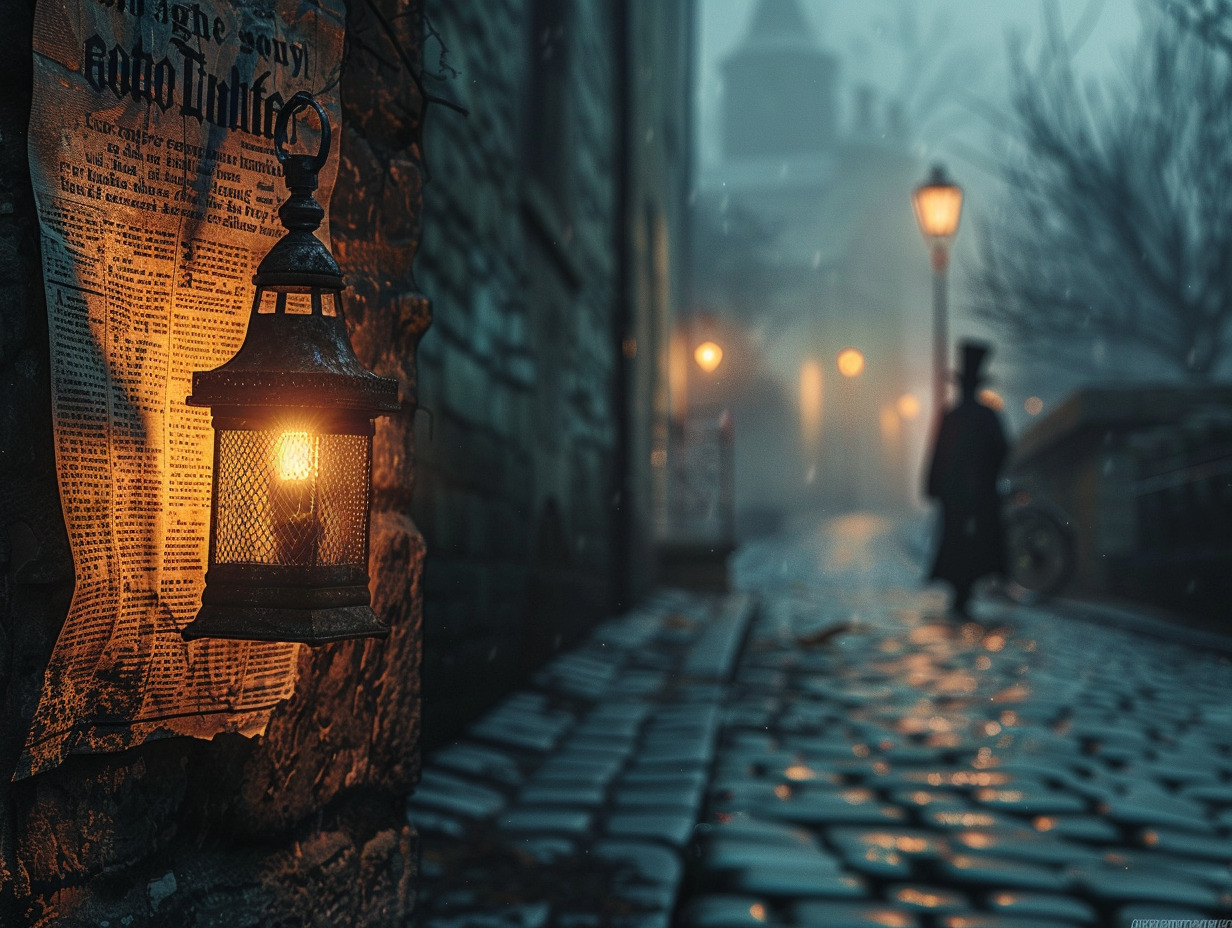
From Mythical Fear to Contemporary Terror
The transition from mythical fear to contemporary terror is embodied in stories that are closer to us, more tangible, yet no less frightening. Tales of babysitters facing invisible and elusive threats often take the form of modern urban legends, thereby reinforcing the visceral anxiety of parents and lonely individuals. Imagine a babysitter receiving threatening calls from a blocked number, each ring of the phone heightening adrenaline and dread.
The mechanism of fear engages when the operator, a figure of rescue and rationality, advises keeping the man on the line during the conversation to trace the call. This seemingly wise advice only exacerbates the tension, as the babysitter finds herself trapped in a macabre game where every passing minute increases her vulnerability and sense of helplessness.
In the escalation of horror, the revelation that the threatening killer is none other than the shadow lurking on the second floor of the house, where the children may be sleeping, chills the blood. This narrative twist, where danger is both distant and so close, echoes ancestral fears of intrusion and violation of our most intimate space.
Horror films have managed to capture and amplify these urban legends, propelling them into the collective imagination. The young woman in danger, isolated and vulnerable, becomes an icon of terror, a projection of our deepest anxieties. These stories, now archetypes of the genre, continue to haunt minds, proving that the line between mythical fears and contemporary terrors remains as indistinct as the reflection of Bloody Mary in the fogged mirror of a candlelit bathroom.