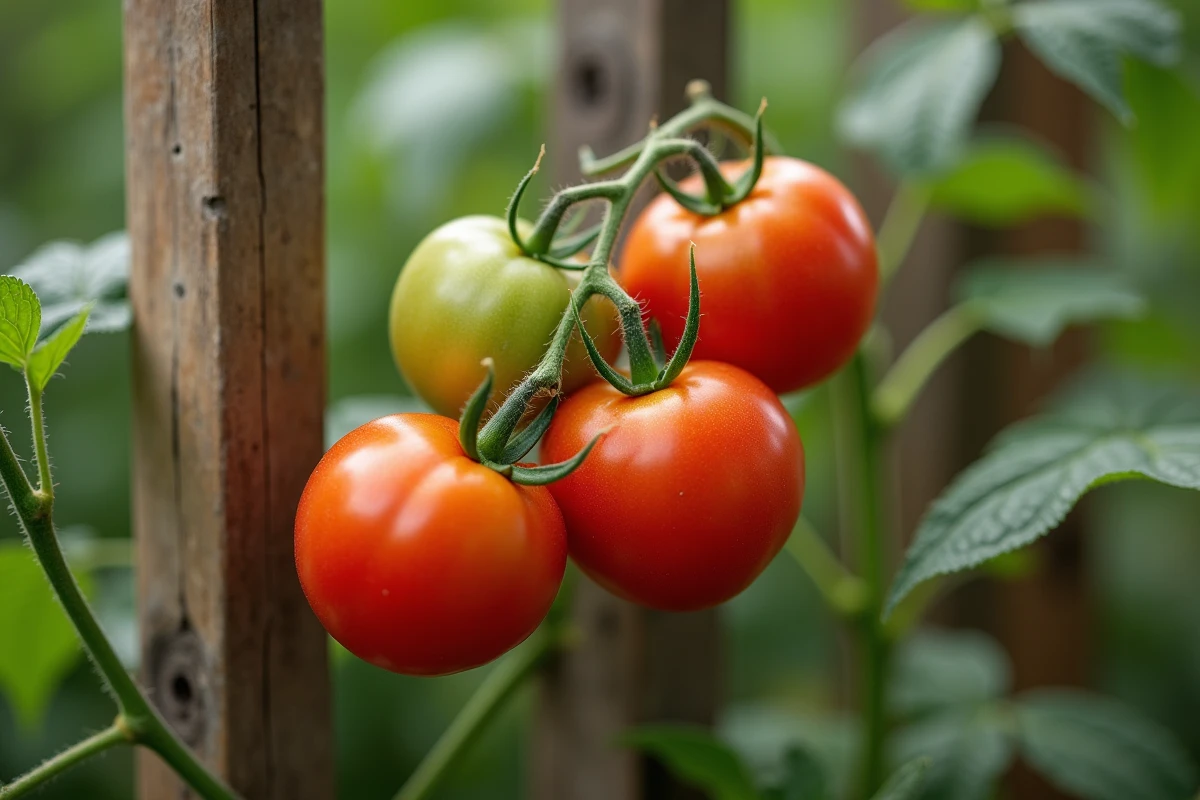
Your tomato plants are covered with small yellow flowers, and you are watching for any sign of fruit. Several weeks pass between the appearance of these flowers and the moment you will pick a ripe tomato. This timeframe varies depending on the variety grown, the weather, and a few simple actions in the garden. Understanding this timeline allows you to anticipate the harvest and avoid disappointments.
What happens between the flower and the fruit
A tomato flower does not turn into a fruit overnight. The process breaks down into two distinct phases that the gardener can observe with the naked eye.
The first phase is pollination. The tomato flower is self-fertile: it contains both male and female organs. Pollen naturally falls onto the pistil, aided by the wind or the vibrations of insects. Without pollination, there is no fruit: the flower dries up and falls off.
Once fertilized, the flower gives way to a small green fruit. This marks the beginning of fruiting. This fruit will grow for several weeks before entering its maturation phase, during which it gradually changes color. To better understand the duration between flowering and tomato, it is necessary to distinguish these two times: the growth of the green fruit, then the ripening.
In practice, count between six and twelve weeks from flower to harvest, depending on the variety and growing conditions. This is a wide range, and the rest of this article explains what puts you closer to six weeks or rather to twelve.
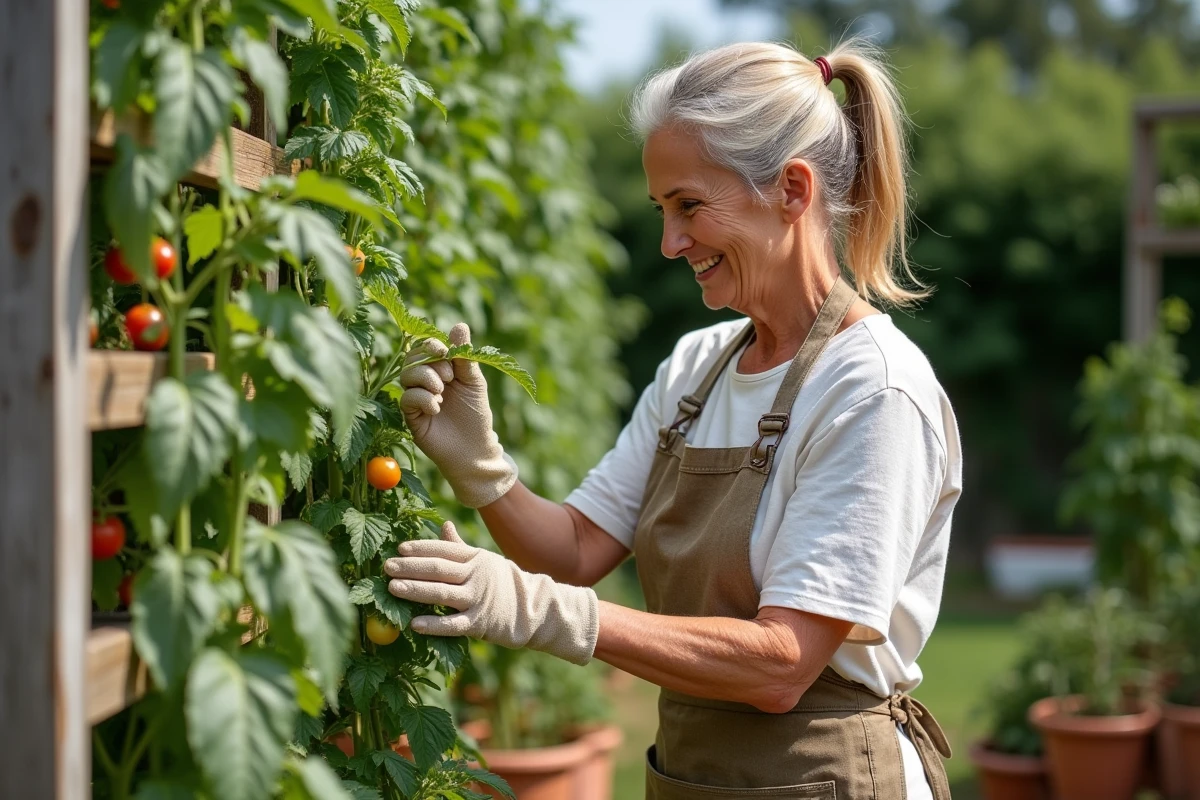
Early and late varieties: the choice of plant makes all the difference
Have you noticed that some neighbors harvest well before you? The variety of tomato is the factor that weighs most heavily on the flowering-harvest timeframe.
Early tomatoes and late tomatoes
So-called early varieties reach maturity faster after flowering. These are often small-sized tomatoes, like cherry tomatoes or certain classic round varieties. The fruit ripens within a few weeks after setting.
Late varieties, such as large ribbed tomatoes like beefsteak or Pineapple, take significantly more time. The fruit is larger, which extends the growth phase before ripening begins.
Determinate or indeterminate
Determinate tomatoes stop growing at a certain height and concentrate their production over a short period. Indeterminate tomatoes, on the other hand, continue to grow and flower throughout the season. For a gardener who wants staggered harvests, indeterminate varieties offer more flexibility, but each individual fruit does not ripen faster.
The choice of variety determines your harvest schedule long before the first flower appears. Keep this in mind from the sowing or purchasing of plants.
Temperature and sunlight exposure in the garden
Even with an early variety, unfavorable weather conditions slow down ripening. Two parameters matter more than others.
Heat accelerates ripening
The tomato is a fruit that needs warmth to ripen. Below a certain nighttime temperature, the ripening process slows down significantly. This is why, in the northern regions of France, tomatoes ripen later than in Provence or the Southwest.
Cool nights prolong the timeframe between flowering and harvest. If your garden is exposed to wind or located at a high altitude, expect a few additional weeks compared to usual averages.
Direct sunlight makes a difference
A tomato plant that receives at least six hours of direct sunlight per day produces fruits that ripen faster. A partially shaded location does not kill the plant but extends the cycle. If you have the choice, place your plants against a south-facing wall: the reflected heat speeds up the process.
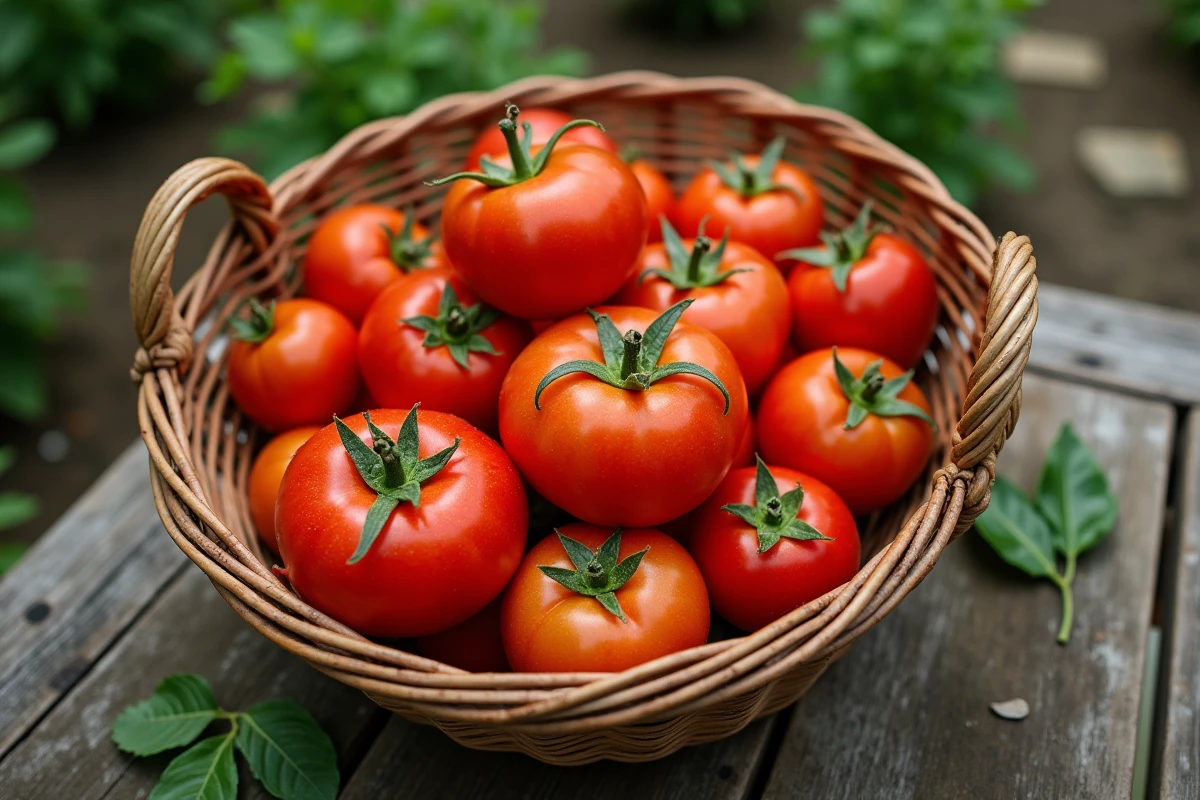
Gardener’s actions to shorten the ripening time
You cannot control the weather, but a few concrete practices in the garden directly influence the speed of fruit ripening.
- Removing leaves under the clusters during ripening allows sunlight to reach the fruits directly. Remove the leaves that shade the already formed tomatoes, without completely stripping the plant.
- Removing suckers (those secondary stems that grow in the leaf axils) concentrates the plant’s energy on existing fruits rather than on new vegetative shoots.
- Watering regularly at the base, without wetting the foliage, keeps the soil moist and promotes consistent fruit growth. Water stress can temporarily block ripening.
- Mulching the soil around the plants retains moisture and limits temperature fluctuations at the root level.
Targeted leaf removal and sucker pruning are the two actions that have the most impact on ripening speed, given the same variety and climate.
When to harvest your tomatoes at the right stage of ripeness
Color is the first visual indicator. When the tomato reaches a uniform hue, without any residual green at the stem, it is ready. Gently squeeze the fruit: a ripe tomato yields under gentle pressure without being soft.
If the end of the season is approaching and some fruits remain green, you can harvest them and ripen them indoors in a warm place. Place them near a banana or an apple: these fruits emit ethylene, a gas that accelerates ripening.
In cold regions, do not leave your tomatoes on the plant once the first cold nights set in. It is better to harvest fruits that are barely colored and ripen them in warmth than to risk losing them to frost.
The harvesting stage also depends on your patience: a tomato picked slightly before full ripeness keeps longer, while a tomato harvested fully ripe offers superior taste but does not store as well. It’s up to you to find the compromise that suits your needs, between immediate salads and end-of-season preserves.